
Share
.png)


Lorem ipsum dolor sit amet, consectetur adipiscing elit. Suspendisse varius enim in eros elementum tristique. Duis cursus, mi quis viverra ornare, eros dolor interdum nulla, ut commodo diam libero vitae erat. Aenean faucibus nibh et justo cursus id rutrum lorem imperdiet. Nunc ut sem vitae risus tristique posuere.

November 17, 2025
Scaling a sales team is one of those pivotal business moments that can either unlock the next era of growth or expose every crack in the foundation. Leaders know the feeling: deals bottlenecked at the same rep, new hires barely onboarding fast enough, inconsistent performance, chaotic handoffs, and a constant tug-of-war between hitting this quarter’s number and building next quarter’s bench.
It’s the moment every founder, VP of Sales, or revenue leader hits: “We need more sales. But we can’t just throw bodies at the problem.”
This is precisely where predictable, sustainable growth enters the chat. And it’s the core philosophy behind Kayvon Kay and The Vault Unlocked, modern sales leadership built on clarity, consistency, and systems that make performance repeatable.
This guide breaks down exactly how to scale a sales team without sacrificing culture, quality, or profitability, and how the most successful teams do it differently.
By the end, readers will walk away with a step-by-step methodology, industry examples, frameworks, and proven strategies to build a high-performance sales organization that grows on purpose, not by accident.
Scaling isn’t hiring, adding more leads, or throwing tools at the team. Scaling is creating a system where each new rep, from rep #5 to rep #50, gets faster, better, and more predictable.
A scalable sales team has:
The teams that don’t scale? They rely on “hero reps,” inconsistent messaging, and internal chaos disguised as growth.
Before adding people, define:
Leaders who skip this step end up with reps improvising messaging, chasing unqualified leads, and creating customer confusion.
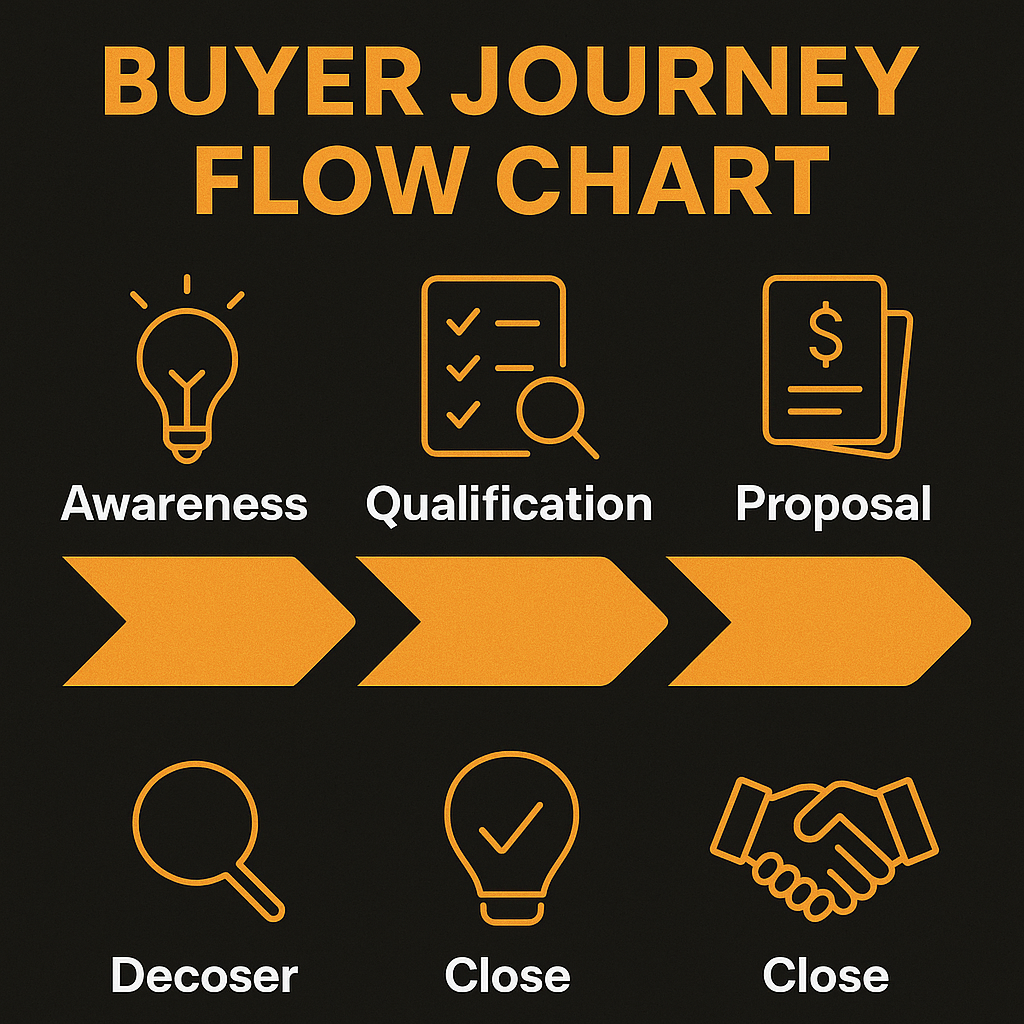
Your playbook should include:
A sales playbook is not a “nice-to-have.” It’s the engine of scalability. It’s how you hire faster, train faster, and eliminate guesswork.
Without clear targets, scaling is impossible. Benchmarks to define:
This becomes your scaling scoreboard, your data truth.
Top-performing reps share specific traits:
Experience helps, but traits sustain performance. Founders often make the mistake of hiring “big name reps” who collapse without structure.
Your hiring process should include:
This removes randomness and ensures consistent quality.
Great onboarding is the sum of faster ramp, stronger retention, and higher performance. According to HubSpot, structured onboarding can improve rep retention by 82%.
First 30 Days (Learn):
Days 30–60 (Practice):
Days 60–90 (Perform):
Most teams hire, train, and hope. Scalable teams coach.
Every leader should implement:
Consistency beats intensity. A 30-minute weekly call review often outperforms a two-day sales retreat.
Use CRM data to identify:
You can’t scale what you can’t measure.
To scale a sales team, technology should reduce friction, not create it.
But here’s the rule: Don’t add tools you can’t enforce.
Scaling requires a rhythm, a cadence that keeps the team aligned, accountable, and moving.
Every great sales organization has rituals. Without them, performance swings wildly.
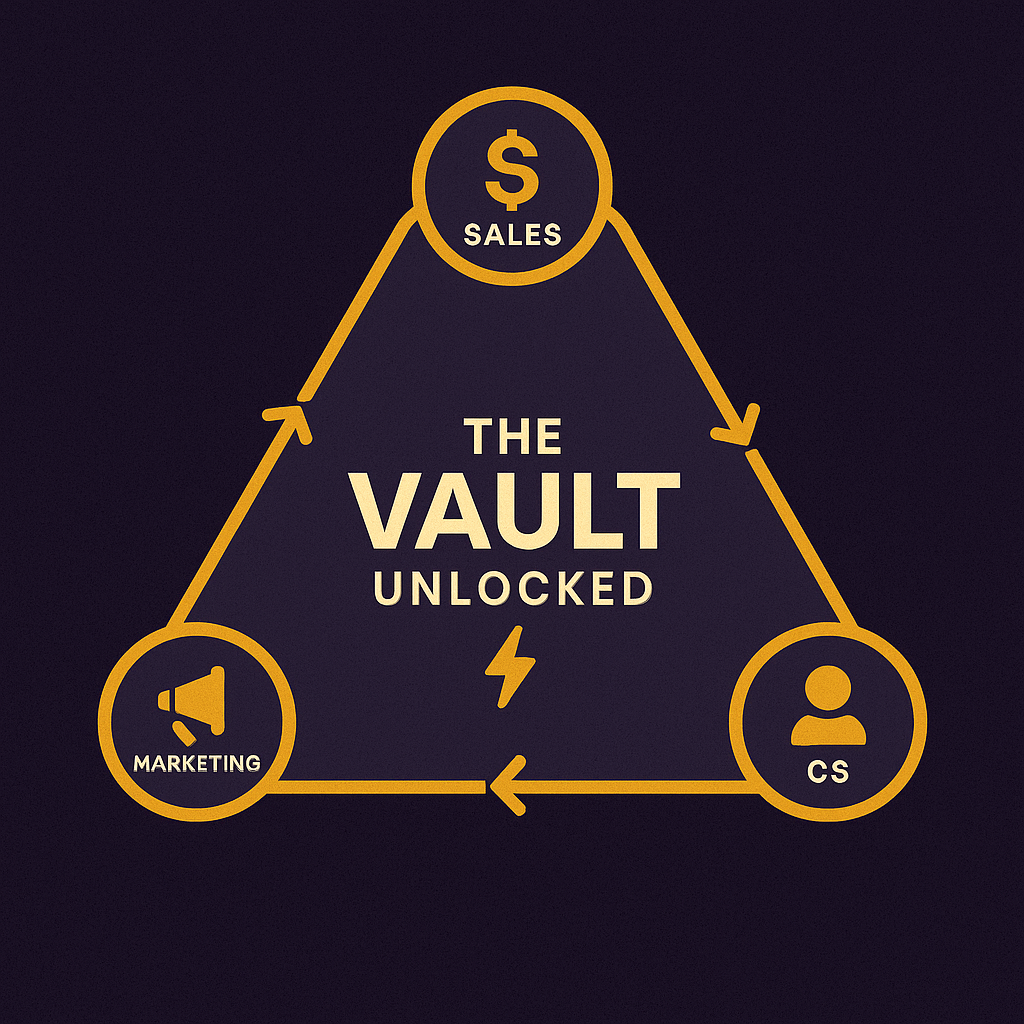
Sales doesn’t scale alone. It scales with:
When these teams operate in silos, growth stalls. When they sync? Revenue flies.
Modern sales teams use AI to:
AI won’t replace reps. But reps who use AI will absolutely outperform those who don’t.
Predictable, sustainable sales growth comes from clarity, consistency, and leadership that doesn’t gamble on talent; it builds it.
This is the foundation of Kayvon Kay’s approach and the reason The Vault Unlocked continues to be a go-to source for revenue leaders who want more than motivation; they want mastery.
Scaling a sales team isn’t a mystery. It’s a methodology, and now you’ve got the blueprint.
Ready to turn insights into predictable performance?
Explore Kayvon Kay’s coaching and consulting solutions to build a high-performance sales organization with systems that scale.
And for weekly leadership gems, real conversations, and behind-the-scenes sales mastery, tune into The Vault Unlocked Podcast.
Build systems first, hire second. Define your process, playbooks, coaching, and metrics before adding headcount.
When demand exceeds the current bandwidth, and your process is repeatable. If you’re drowning in leads but your reps lack structure, fix the system first.
Typically, 3–5 high-performing reps before expanding. This provides enough data to make hiring decisions.
Most teams hit a scalable rhythm between 6 and 18 months, depending on industry, process maturity, and leadership strength.
Use a strong onboarding system, hire based on traits, implement coaching, and invest in tools that reduce rep friction.
Kayvon Kay
Kayvon has over two decades of experience working with high-level closers and perfecting his sales methodologies. He has earned the title of Canada’s #1 pharmaceutical sales representative and continues to share his expertise as a keynote speaker and through his multi-million-dollar coaching program.